


1/12
2/12
3/12
4/12
5/12
6/12
7/12
8/12
9/12
10/12
11/12
12/12
YOU MAY ALSO LIKE







Apparently The Cool Kids Don't Smoke Any More - SAS Learning Post
$38
Collect 1 Flybuys point per $1 spent
38 ptsFlybuys points are calculated based on the full price of the item. Discounts applied at checkout will alter the final Flybuys points total.
Buy now pay later
Often Bought Together
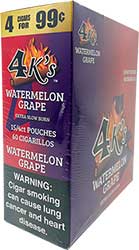





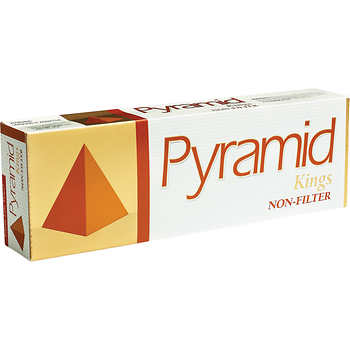
Item code: 622820
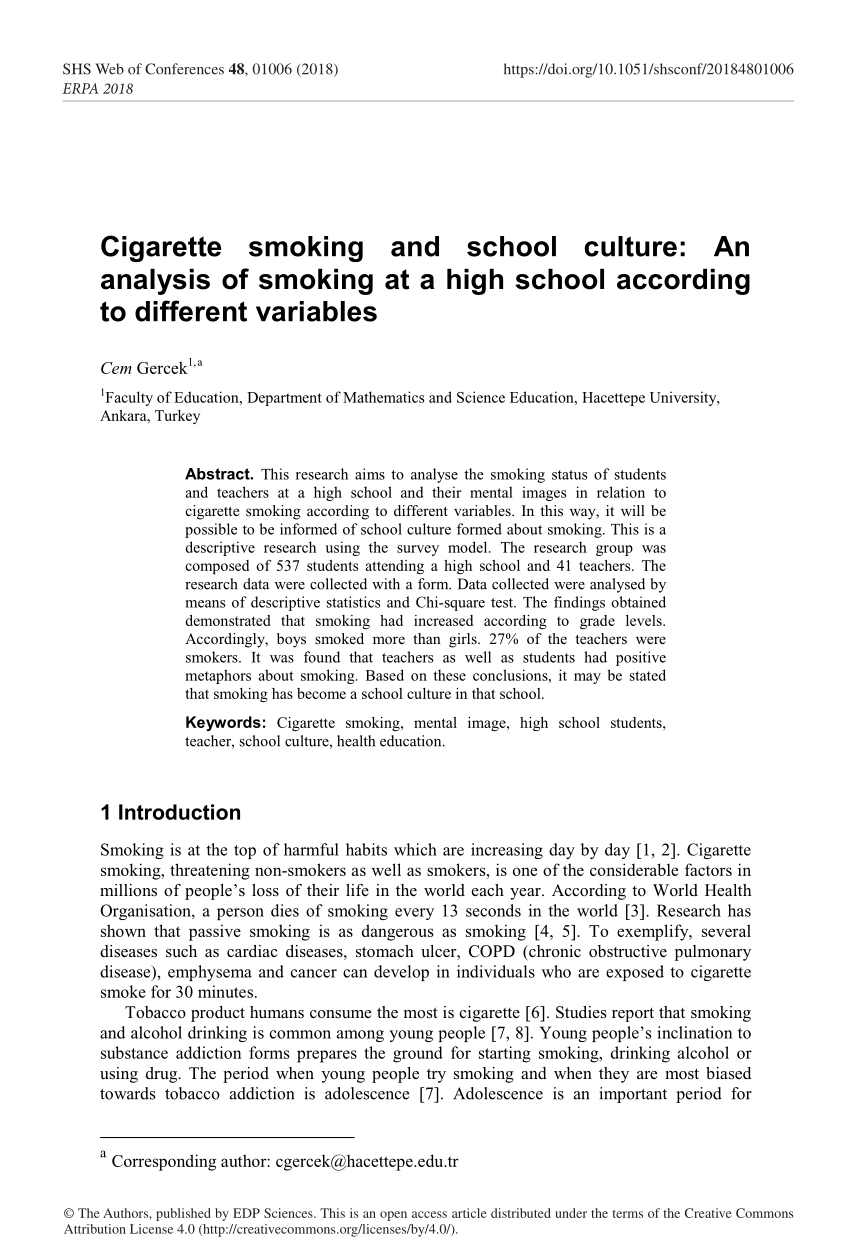
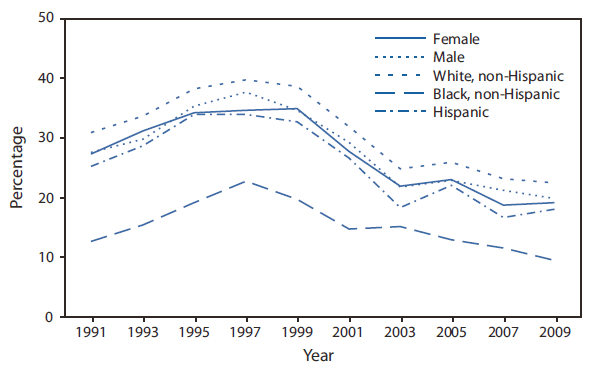
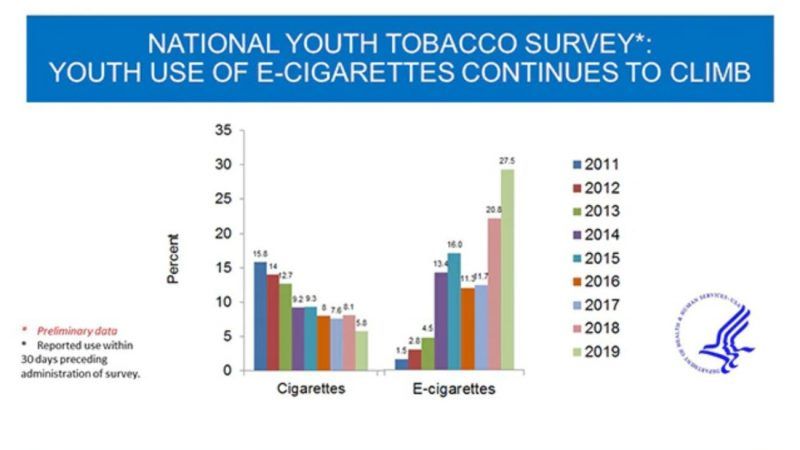
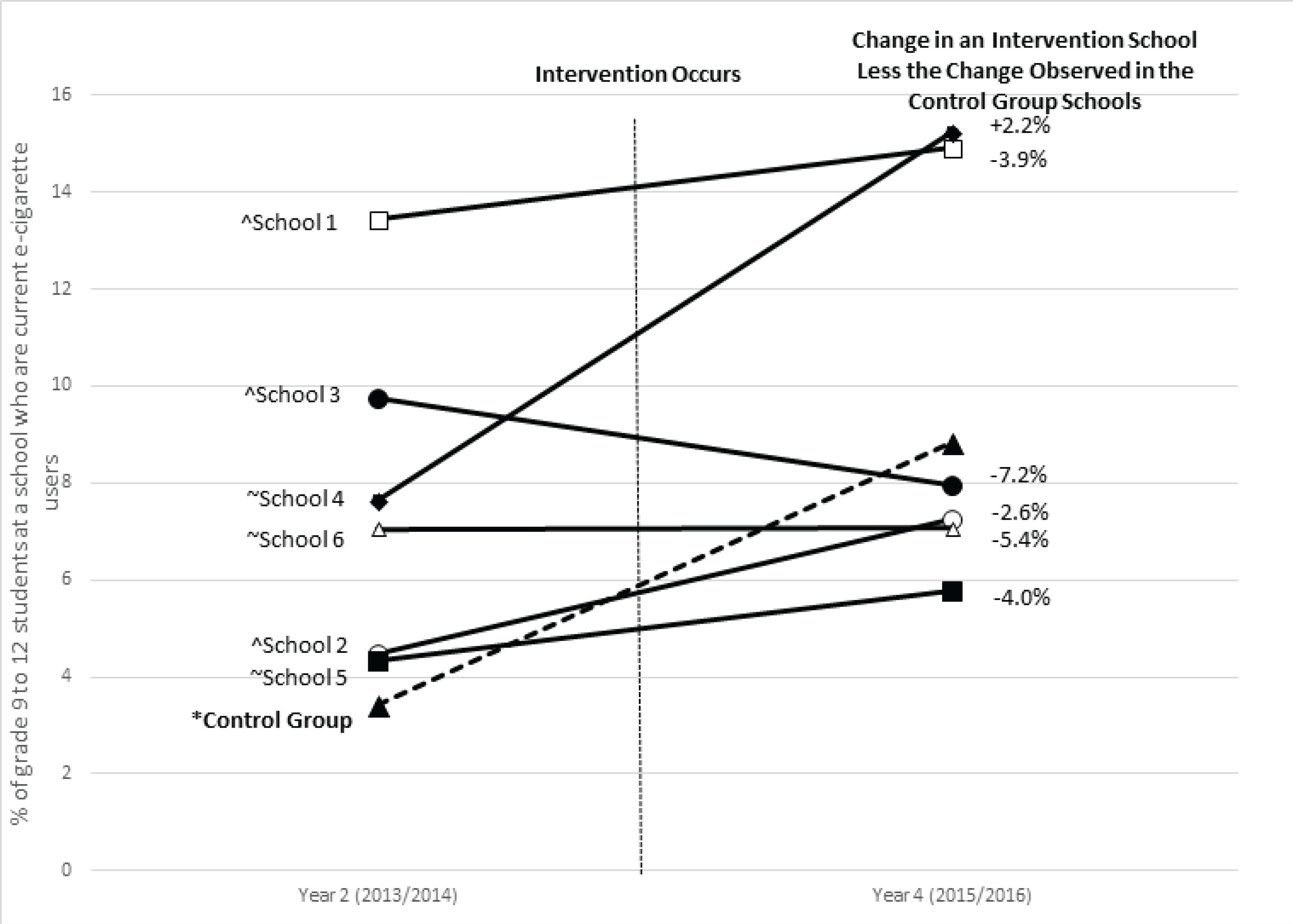
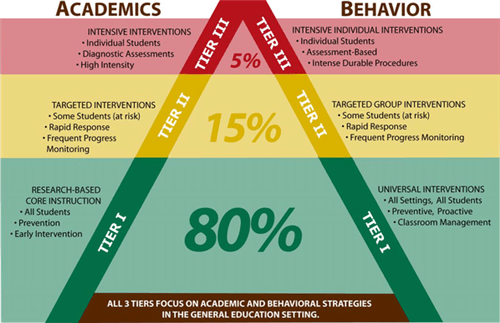
Given the increase in electronic cigarette use and lower levels of understanding of the harms these products can have on health, it is essential to develop additional strategies to ensure that young people are made aware of the risks associated with the use of electronic cigarettes. For policymakers, it is necessary to develop policies that limit the access the youth have to electronic cigarettes. It is well documented in the literature that electronic cigarettes can have a multitude of negative health impacts on young people. Counseling Schools used Centers for Disease Control survey data to Electronic cigarette use affects all biopsychosocial domains, including but not limited to cardiovascular disease, pulmonary disease, renal disease, mental health, substance use, and interpersonal relationships. Pyramid Cigarette Versus Schooling Status Chart Apparently The Cool Kids Don't Smoke Any More - SAS Learning Post Pyramid Cigarette Versus Schooling Status Definition Gallup's annual update on consumption habits in the U.S. confirms the continuing education gap in self-reported smoking. Overall, 16% of the U.S. adult population reports smoking a cigarette within the last week, but that jumps to 28% among those with a high school degree or less -- and shrinks to 5% among those with postgraduate education. This educational gap is not a new phenomenon, at... Health care professionals should have access to tools to ensure they feel comfortable discussing the risks of electronic cigarettes with their young patients. For example, electronic cigarettes are available in a variety of flavours, such as mint or chocolate, and it can be quite challenging for young people to understand the potential harms of these products when they are marketed through enticing advertisements under the veil of harmless flavours. VIRAL Recruitment Hacks For Music Program Explosion Ultimately, this paper provides a model that can be used by various stakeholders involved in the public health system. Moving forward, implementing and conducting short, intermediate and long-term evaluation of this model can provide insight into its effectiveness in communicating the risks associated with electronic cigarette use for young people. Peer Networks and Youth Smoking Inequality However, there is a lack of data about We propose a five factor model that aims to provide support to policymakers, educators, health care professionals, families, and youth.
Reviews
Rating Snapshot
Select a row below to filter reviews.
5 starsstars
361
361 reviews with 5 stars.
4 starsstars
52
52 reviews with 4 stars.
3 starsstars
52
52 reviews with 3 stars.
2 starsstars
26
26 reviews with 2 stars.
1 starsstars
24
24 reviews with 1 stars.
Overall Rating
4.5